Microbial Catalysts vs. Live Cultures: What's the Difference?
November 12, 2025
By Merlyn Snider, Co-Founder
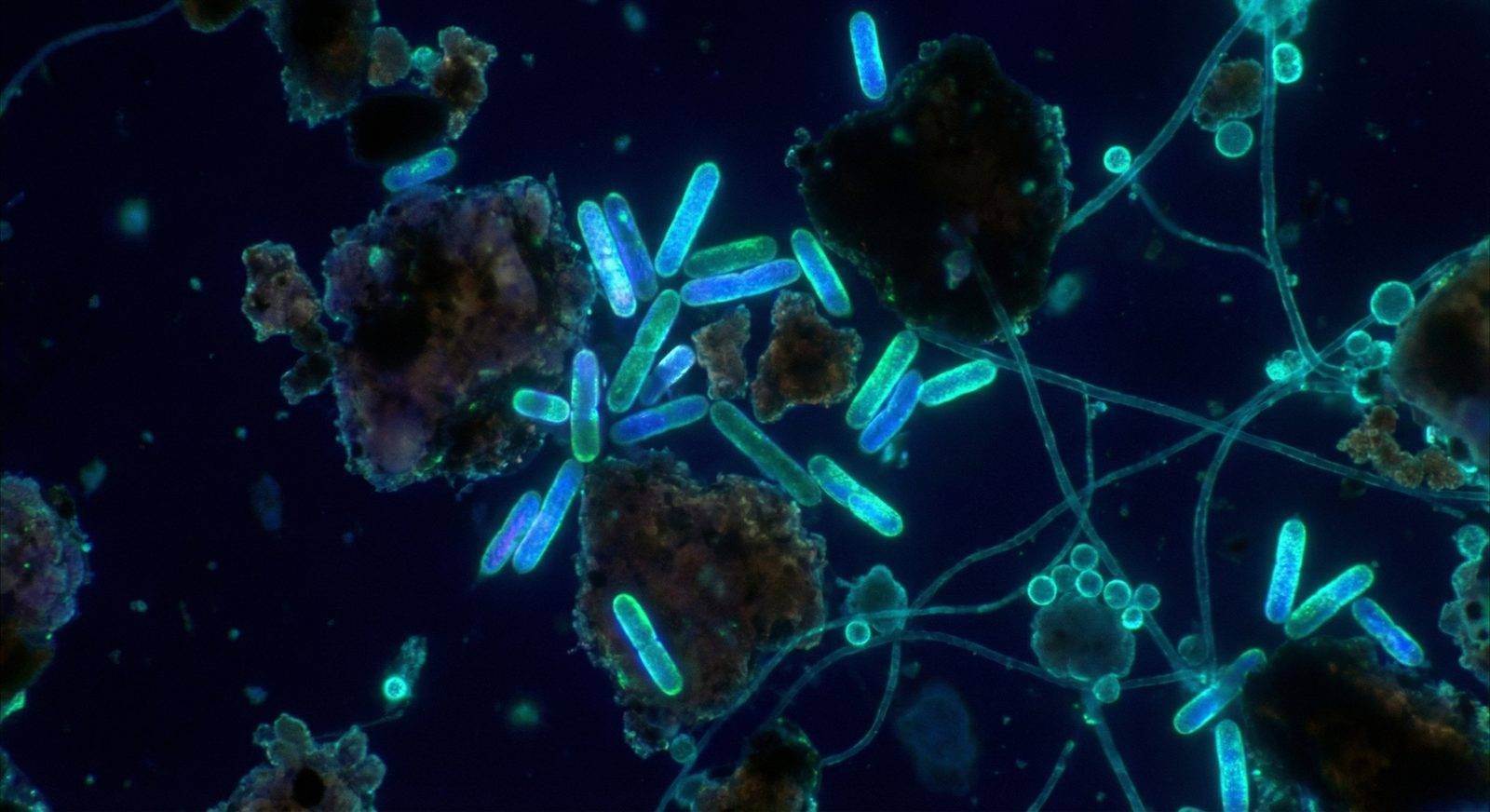
When it comes to biological soil treatment, there are two fundamentally different approaches: introducing live microorganisms into the soil, or using catalysts that stimulate the microbes already there. Both work. But they work differently, and choosing the right one depends on your situation.
The Catalyst Approach
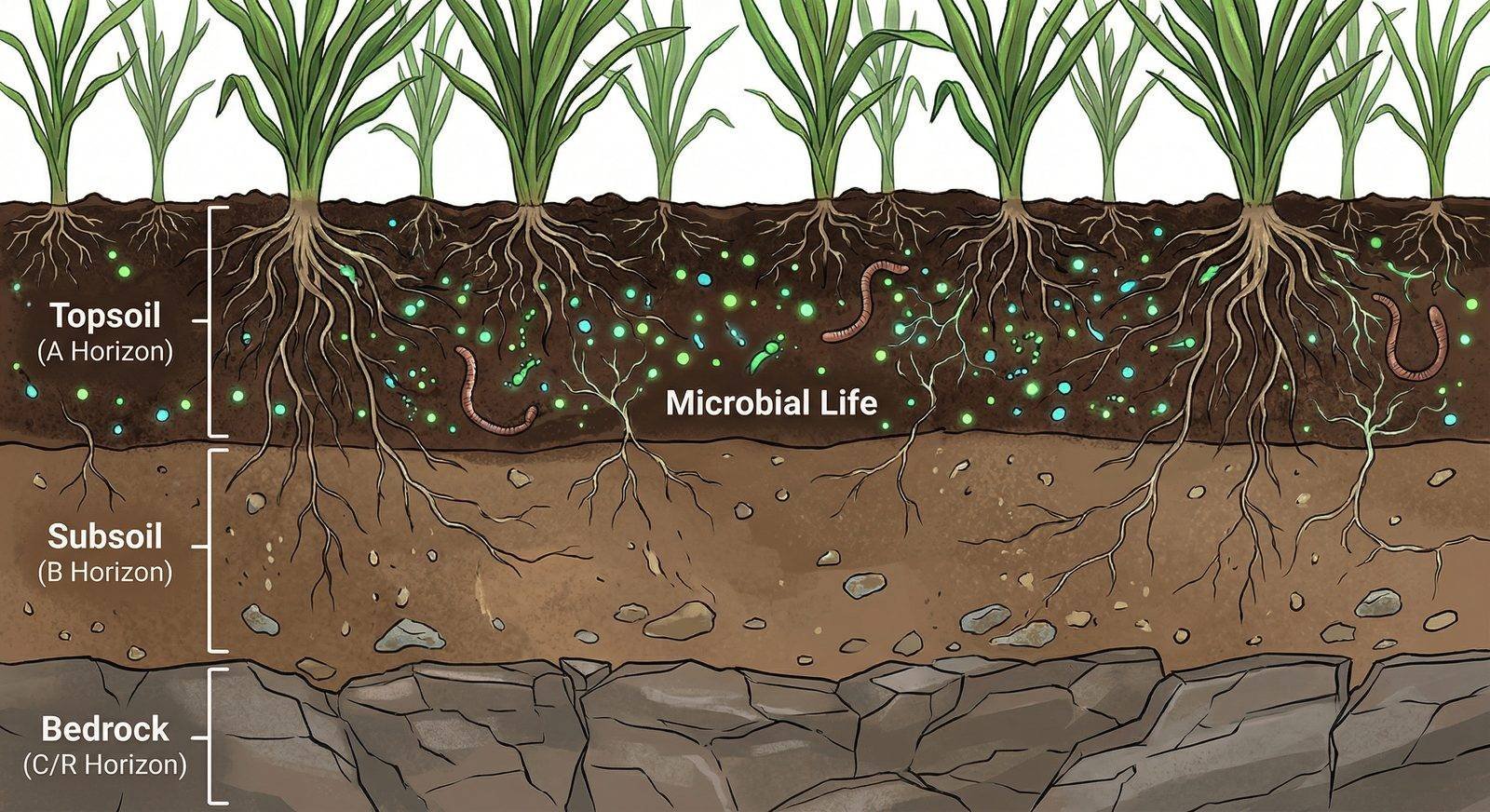
Microbial catalysts don't contain living organisms. Instead, they provide the nutrients, enzymes, and biochemical signals that activate dormant soil microbes. Think of it as fuel for your existing soil biology.
The advantages are practical: catalysts are shelf-stable, easy to store, and can be tank-mixed with existing fertilizer programs without worrying about killing live organisms. They work with whatever microbial community is already adapted to your specific soil conditions.
Key advantage: Because catalysts work with native soil biology, they tend to produce more consistent results across different soil types and climates. The microbes are already adapted to local conditions.
The Live Culture Approach
Live microbial products introduce specific beneficial organisms directly into the soil. This can be especially effective when native soil biology has been severely depleted by contamination, chemical overuse, or physical disturbance.
The trade-off is logistics: live cultures have a limited shelf life (typically 4 months), require specific temperature storage (40-90 degrees F), and can be killed by pesticides or harsh environmental conditions. They work best when applied during cooler parts of the day and when soil conditions are favorable for colonization.
When to Use Which
Choose a catalyst when:
- Your soil has existing microbial communities that need activation
- You need shelf-stable products that integrate with your current program
- You're applying alongside chemical fertilizers or pesticides
- Consistent, repeatable results across large acreage are critical
- Storage and logistics simplicity matter
Choose live cultures when:
- Native soil biology has been severely depleted or destroyed
- You need immediate microbial inoculation from day one
- Specific microbial strains are required for a particular contaminant or crop
- You can manage cold-chain logistics and timely application
Use both when:
Many operations achieve the best results by combining both approaches. Live cultures establish a robust microbial population, while catalysts provide ongoing fuel to keep that population active and productive. This is especially effective in remediation projects where contaminated soil needs both new organisms and the biochemical support to sustain them.
Not sure which approach is right for your operation?
Tell us about your soil conditions, crops, or remediation goals and we'll recommend the right product.
Get a Recommendation